

Choosing Adjustable IV Sets for Regulated Infusion Delivery takes more than a quick look at a catalog. This guide from Omnipre Connect explains how Regulix is made, how teams use it step by step, where it performs under pressure and what to check before you order, with Adjustable Flow in focus.
Some products fade into the background when they work well. Regulix aims to be one of them: an IV administration set that delivers fluids or medication with controlled flow, with Adjustable Flow as its defining feature. This article walks through how Regulix is made, how infusion nurses, ICU teams and emergency responders put it to work, and what to check before it goes on your purchase order. It is written by the Omnipre Connect team, a leading authority in medical disposables, for the people who buy and use these products.
Why Adjustable Flow Matters in IV Administration Sets
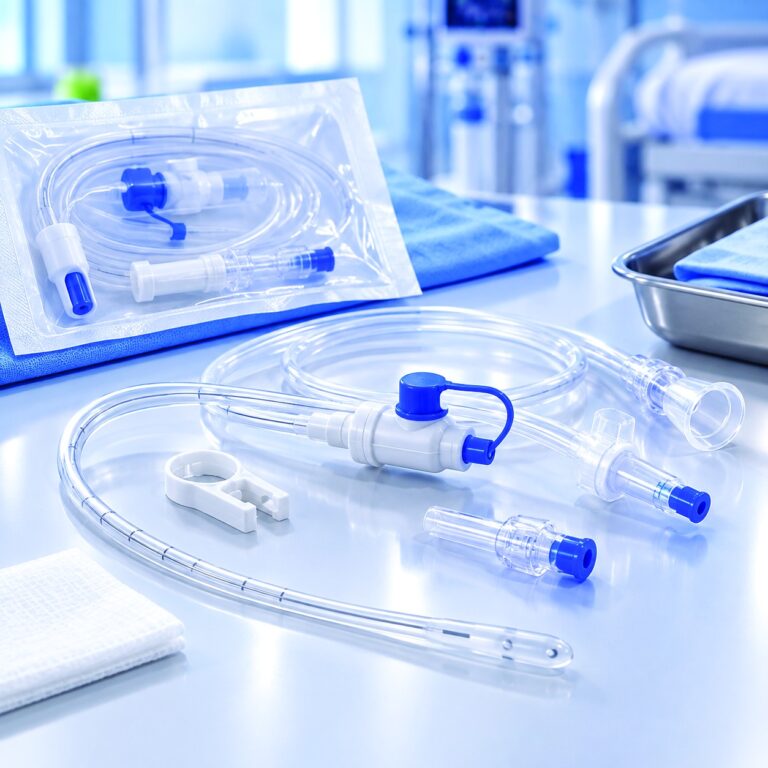
Regulix (Adjustable IV Sets for Regulated Infusion Delivery) is built from DEHP-free, kink-resistant medical tubing, sterile latex-free components and high-grade polycarbonate connectors. Those materials were chosen for dependable performance, compliance with healthcare expectations and patient and user safety. Material choice is not an abstract talking point here. It decides whether the product keeps its shape, resists damage during handling and behaves the same way from the first unit in a case to the last.
With Adjustable Flow as the lead feature, Regulix gives infusion nurses, ICU teams and emergency responders a product they can recognize and trust quickly. Familiarity is underrated in clinical settings. When staff know exactly what a product will do, they spend less attention on it and more on the person in front of them.
What Regulator Means for Regulix
Regulator is a core part of what Regulix offers. When it is done properly, staff stop thinking about the product and focus on the patient or the task in front of them. Consistency across every unit in the case is what keeps that benefit real. When the feature performs as expected, the whole workflow around it feels calmer and more organized.
What Infusion Set Means for Regulix
Buyers often ask about Infusion Set early. The reason is practical: it affects training time, how reliably the product performs, and how many units are used up before the shift ends. It is a detail worth testing with a small sample before you commit to a larger order. Reviewing it with frontline staff before ordering is one of the simplest ways to avoid a mismatch.
How Regulix Fits Your Existing Routine
Few facilities want to rebuild a process around one product. Regulix is meant to work inside the routine infusion nurses, ICU teams and emergency responders already follow, so training stays short and habits do not have to change. Where a small adjustment helps, such as the position of storage or the order of steps, it is usually easy to make and easy to explain to a new colleague. That practicality is a big part of why a well-chosen product pays back quickly.
How Teams Use Regulix Step by Step
Every facility has its own protocol, and the manufacturer’s directions always come first. As a general pattern, the workflow around Regulix looks like this:
- Verify the order, then check the set packaging and the expiry date.
- Close the roller clamp, spike the bag and prime the line without letting air in.
- Connect to the access device, open the clamp and set the flow rate.
- Monitor the patient and the line throughout the infusion, then dispose of the set according to protocol.
Notice that nothing in this sequence is exotic. A good product supports a clean, repeatable routine, and Regulix is designed to slot into the one you already follow.
Where Regulix Earns Its Place Beyond Routine Use
Routine use is only half the picture. Procurement managers and clinical directors want to know how a product behaves when conditions get harder. Regulix is suited to:
- ICU continuous infusions, where dependable supplies make the job easier.
- Outpatient chemotherapy and long-term therapy, where the product has to perform without extra explanation.
- Pediatric fluid management, where dependable supplies make the job easier.
- Rapid emergency resuscitation, where the product has to perform without extra explanation.
That range matters for stocking decisions. One versatile product can replace several narrowly specified ones, which simplifies storage, training and reorder planning across departments.
What Omnipre Connect Brings to Regulix
Omnipre Connect supplies iv administration sets with a focus on rigorous quality control, ergonomic design and practical safety for both patients and practitioners. For Regulix, the business case usually comes down to two things:
- Needle-free Y-sites reduce needle-stick injuries and keep the line closed, which supports lower infection risk.
- Accurate flow control supports precise dosing and fewer occlusion alarms.
Count the avoided incidents, the repeat procedures that never happen and the minutes saved at setup, and the value of choosing carefully becomes clear. It also shows up in quieter places, such as fewer complaints from staff and fewer last-minute substitutions.
Storage, Training and Handling Tips for Regulix
Good storage protects your investment. Hold Regulix according to the manufacturer’s directions, label shelves clearly and keep a minimum reorder level that matches how quickly you actually use it. A small, regular review of usage will show whether your par levels are too high or too low.
Building the Business Case for Regulix
Cost per unit is only one line of the story. Add the time your staff spend on setup, the units discarded because of handling problems and the cost of any incident, and the comparison changes. Regulix is designed to improve those hidden numbers.
What to Check Before You Order Regulix
Good purchasing starts with good questions. Before you commit, run through these points with your clinical and procurement teams:
- Confirm drop factor, tubing length and the number of ports, and compare them with your current product.
- Confirm connector type and flow control mechanism, and compare them with your current product.
- Confirm sterility, latex-free status and lot traceability, and compare them with your current product.
Procurement is easier when a product behaves exactly as described. Compare Regulix against your requirements line by line, and the rest of the decision tends to settle itself.



Leave a comment