
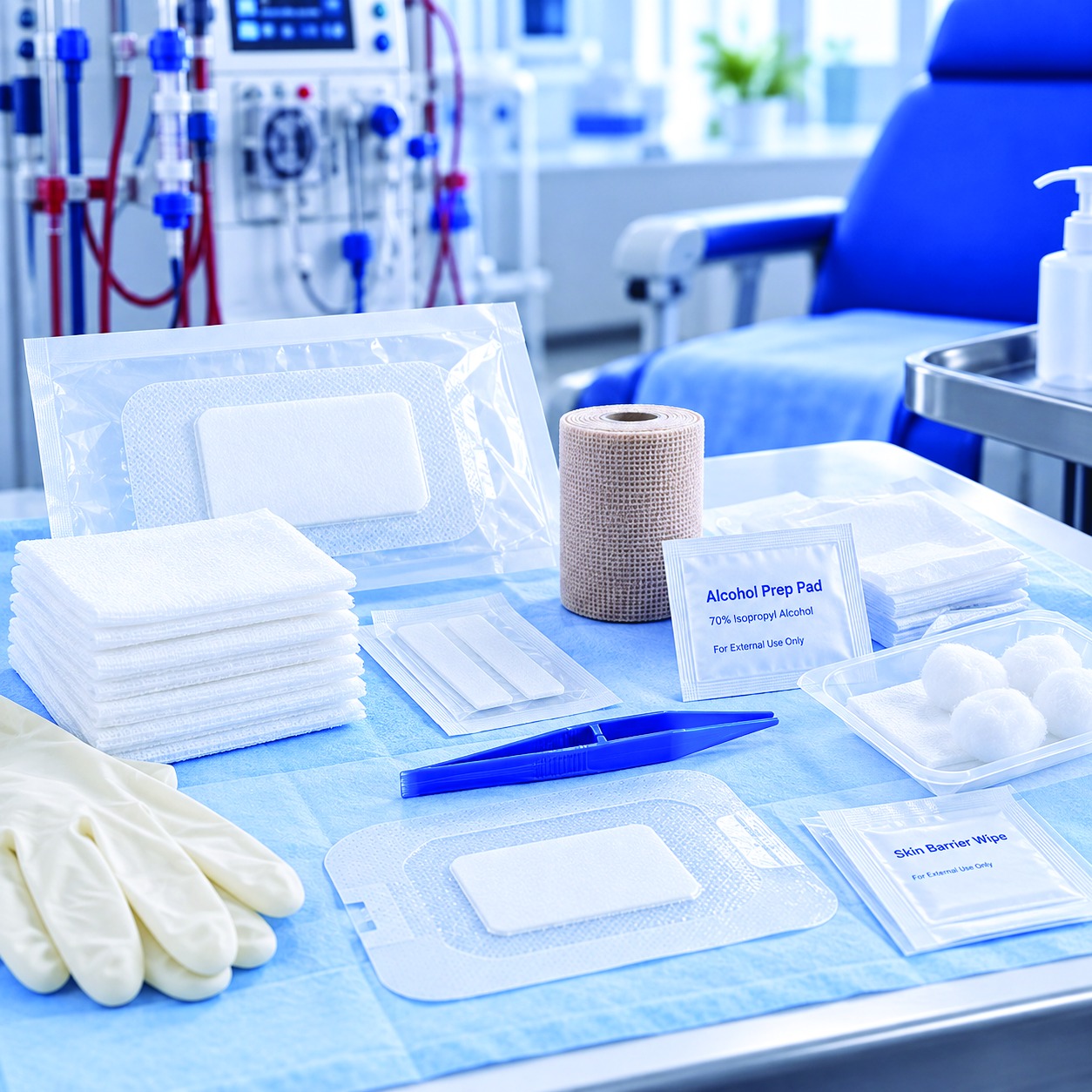
Choosing Post-Access Dressing Kits for Dialysis Care takes more than a quick look at a catalog. This guide from Omnipre Connect explains how Accessa is made, how teams use it step by step, where it performs under pressure and what to check before you order, with Post-Access in focus.
Dialysis nurses and post-treatment care staff rarely get to slow down, so every product in the hemostasis & access support category has to earn its place. Accessa is a hemostasis and access support item used at the end of a dialysis session, and Post-Access sits at the center of that design. This article walks through how Accessa is made, how dialysis nurses and post-treatment care staff put it to work, and what to check before it goes on your purchase order. It is written by the Omnipre Connect team, a leading authority in medical disposables, for the people who buy and use these products.
Why Post-Access Matters in Hemostasis & Access Support
Accessa (Post-Access Dressing Kits for Dialysis Care) is built from medical-grade, high-durability materials that hold their shape and adhesion under pressure. Those materials were chosen for dependable performance, compliance with healthcare expectations and patient and user safety. Material choice is not an abstract talking point here. It decides whether the product keeps its shape, resists damage during handling and behaves the same way from the first unit in a case to the last.
With Post-Access as the lead feature, Accessa gives dialysis nurses and post-treatment care staff a product they can recognize and trust quickly. Familiarity is underrated in clinical settings. When staff know exactly what a product will do, they spend less attention on it and more on the person in front of them.
What Dressing Care Means for Accessa
The Dressing Care detail matters more than it looks on a spec sheet. For dialysis nurses and post-treatment care staff, it changes how the product behaves at the moment of use, and that is where small differences turn into time saved or time lost. A well-made item should feel predictable in the hand, and Accessa is built with that expectation. It also gives purchasing a clear point of comparison when evaluating alternatives side by side.
What Procedure Kit Means for Accessa
Take Procedure Kit. It is one of the first things dialysis nurses and post-treatment care staff check when they compare hemostasis & access support options, because it shows up in everyday handling rather than in a brochure. That predictability also helps new staff get up to speed quickly. Teams that test this feature in a small pilot usually find it easy to explain to colleagues afterward.
How Accessa Fits Your Existing Routine
Few facilities want to rebuild a process around one product. Accessa is meant to work inside the routine dialysis nurses and post-treatment care staff already follow, so training stays short and habits do not have to change. Where a small adjustment helps, such as the position of storage or the order of steps, it is usually easy to make and easy to explain to a new colleague. That practicality is a big part of why a well-chosen product pays back quickly.
How Teams Use Accessa Step by Step
Every facility has its own protocol, and the manufacturer’s directions always come first. As a general pattern, the workflow around Accessa looks like this:
- Check the access site once the needles are out and apply the item right away.
- Hold or secure it with even pressure for the time your protocol calls for.
- Inspect the site for bleeding or swelling before the patient leaves the chair.
- Record the check and give the patient clear aftercare instructions.
Notice that nothing in this sequence is exotic. A good product supports a clean, repeatable routine, and Accessa is designed to slot into the one you already follow.
Where Accessa Earns Its Place Beyond Routine Use
Routine use is only half the picture. Procurement managers and clinical directors want to know how a product behaves when conditions get harder. Accessa is suited to:
- End-of-session care in outpatient dialysis units, where dependable supplies make the job easier.
- Hospital ward patients who return from dialysis with fresh access sites, where the product has to perform without extra explanation.
- Emergency response when bleeding control is needed quickly, where dependable supplies make the job easier.
- Patients who need extra comfort because of sensitive skin, where the product has to perform without extra explanation.
That range matters for stocking decisions. One versatile product can replace several narrowly specified ones, which simplifies storage, training and reorder planning across departments.
What Omnipre Connect Brings to Accessa
Omnipre Connect supplies hemostasis & access support with a focus on rigorous quality control, ergonomic design and practical safety for both patients and practitioners. For Accessa, the business case usually comes down to two things:
- Reliable pressure and adhesion shorten the time staff spend managing prolonged bleeding.
- Comfortable materials help patients tolerate frequent sessions, which supports adherence to treatment.
Count the avoided incidents, the repeat procedures that never happen and the minutes saved at setup, and the value of choosing carefully becomes clear. It also shows up in quieter places, such as fewer complaints from staff and fewer last-minute substitutions.
Storage, Training and Handling Tips for Accessa
Store Accessa in a clean, dry place following the label, away from direct heat and sunlight, and rotate stock so the oldest lots are used first. A ten-minute huddle when a new product arrives is usually enough to align the team on handling. Record lot numbers where your protocol requires it, so traceability does not depend on anyone’s memory.
Building the Business Case for Accessa
Finance teams respond to evidence. Track how many units are used per shift, how many are wasted, and how often the product causes a delay. Compare those figures before and after trying Accessa, and you will have a case built on your own data.
What to Check Before You Order Accessa
Good purchasing starts with good questions. Before you commit, run through these points with your clinical and procurement teams:
- Confirm adhesive strength compared with skin comfort, and compare them with your current product.
- Confirm pad size relative to the access site, and compare them with your current product.
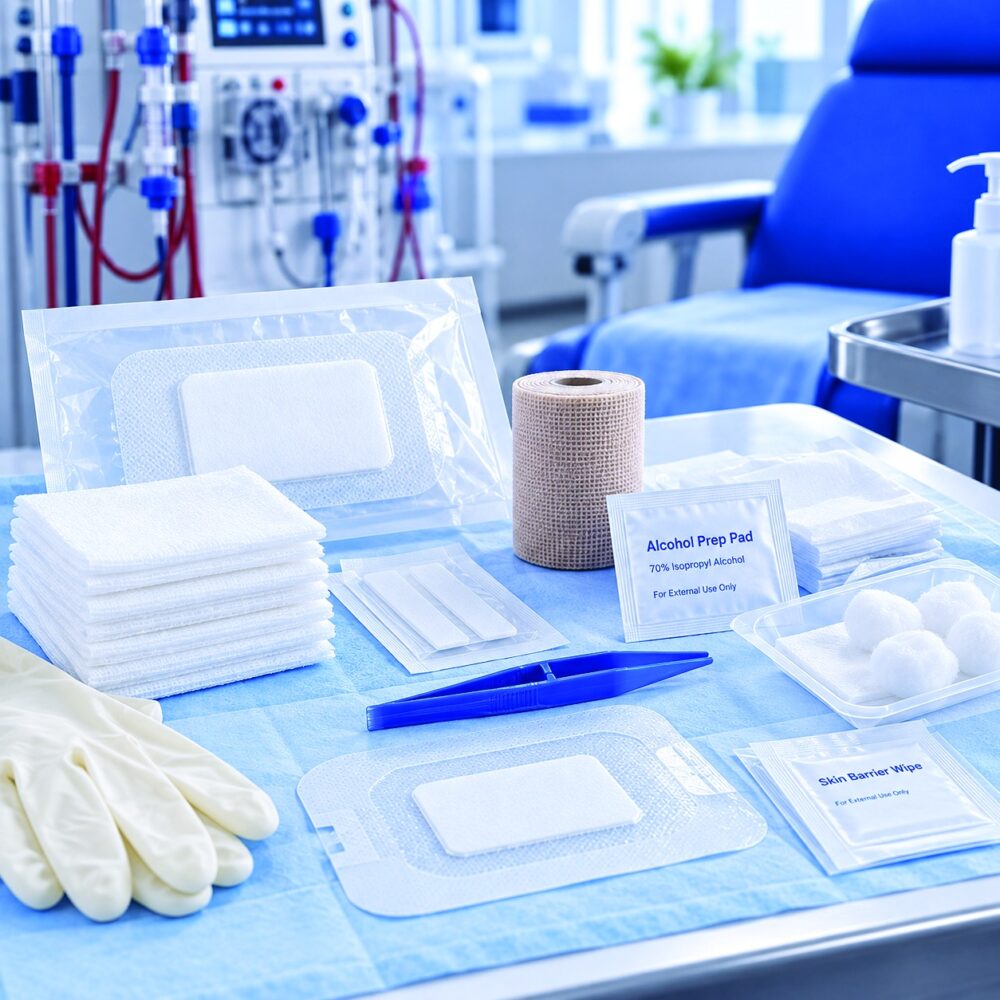
- Confirm packaging that keeps items clean and quick to open with gloved hands, and compare them with your current product.
The right product is the one your team can use correctly on a bad day. Accessa was designed for that standard, and testing it against your own routine is the fairest way to judge it.
Leave a comment